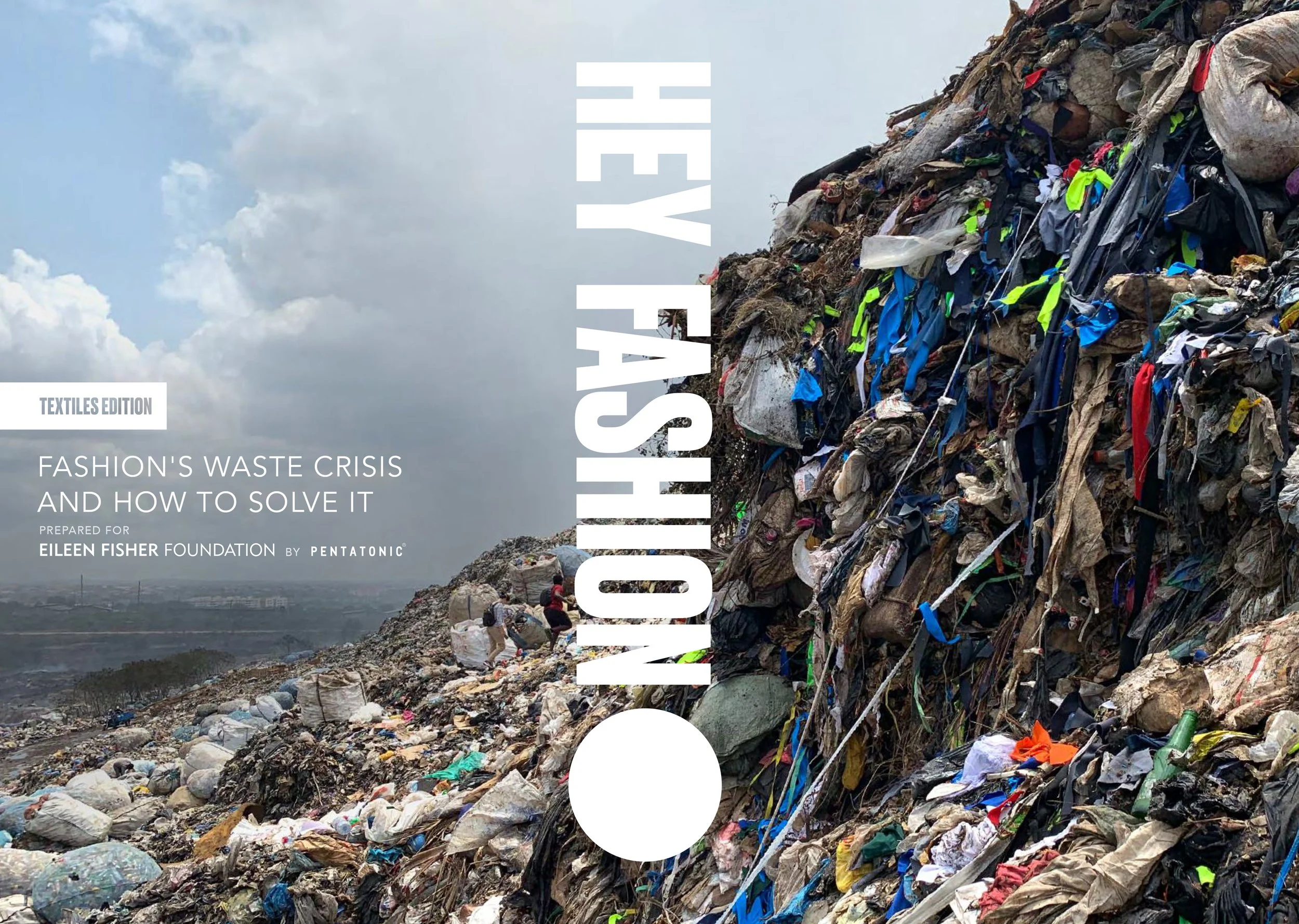
It all goes back to design.
How can garment design go beyond reducing harm to creating a positive effect for communities and the environment?
Join us on our learning journey exploring the possibilities of regenerative design—not as a new buzzword but as an emerging movement. One that’s rooted in systemic change and reimagines not only how we design our clothes, but also our farming methods, supply chain strategies, ways of being and connection to place.

“We can’t recycle our way out of the textile waste crisis, but I believe that we can design our way out.”
Eileen Fisher, Founder, EILEEN FISHER, INC.
The Report
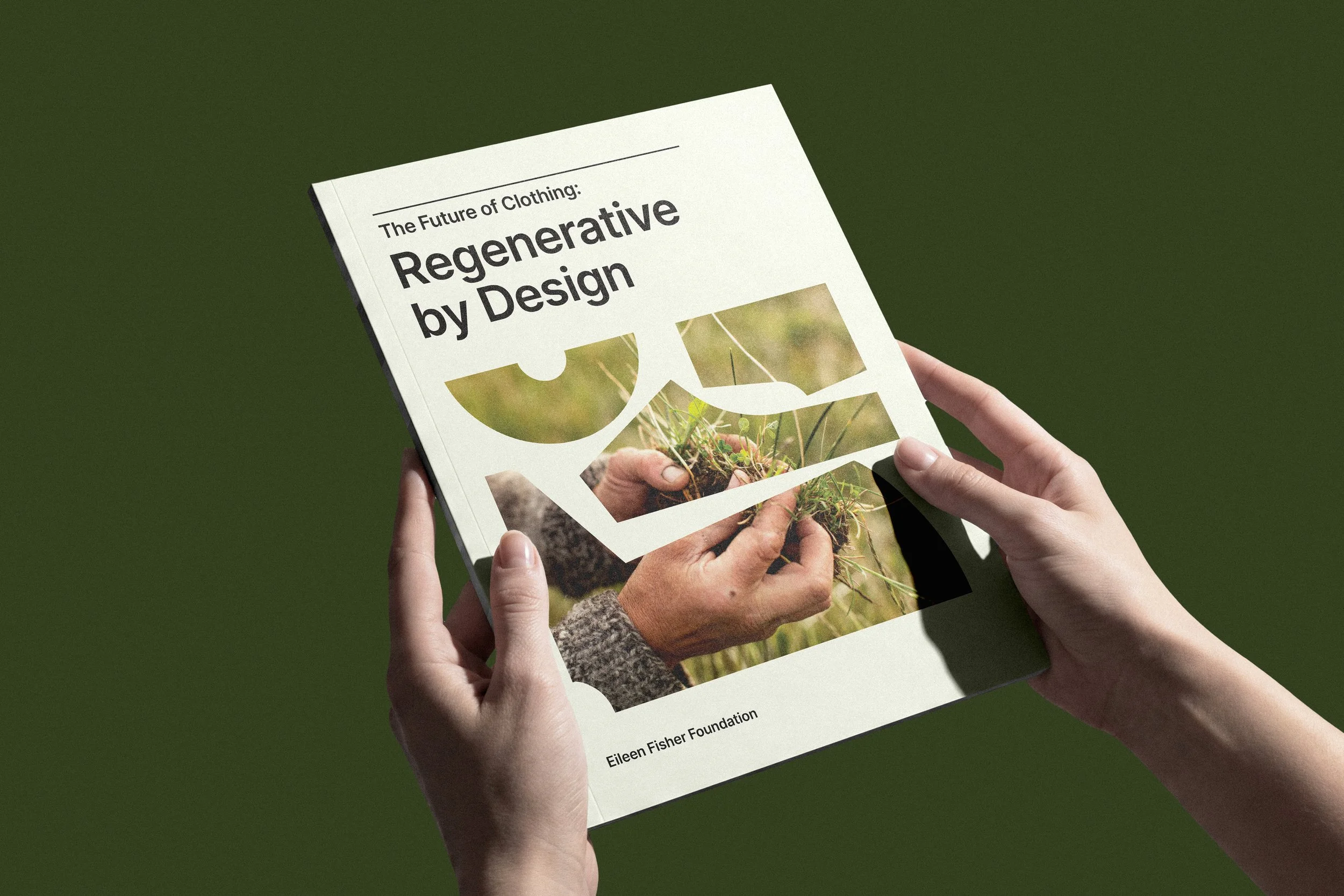
Through a series of interviews, literature review and case studies, our new report explores how we can design a regenerative future of clothing that gives back more than it takes.
The Spring Summit
What started as internal research interviews for the report evolved into public conversations shared through a free online summit this spring—featuring farmers, designers, brand founders and industry leaders.

“Early stage design decisions determine 80% of the product’s environmental impact.”
Ellen MacArthur Foundation
Regenerative by Design Report
How can we stop the problem at the source?
End-of-life solutions are vital, however, they alone cannot solve the textile waste crisis if the industry continues producing garments that perpetuate a take-make-waste culture. This report looks for solutions at the beginning of a garment's life, applying four levels of regenerative agriculture to regenerative design that move from soil to social systems.


Designing for Regeneration
By outlining the negative impact of the fashion industry, this first section explores regenerative design as a call to action: Rather than simply reducing harm, how can clothing design become a medium for actively restoring ecosystems, supporting communities and contributing to a more just and resilient future?

Regenerative Agriculture & Its Principles
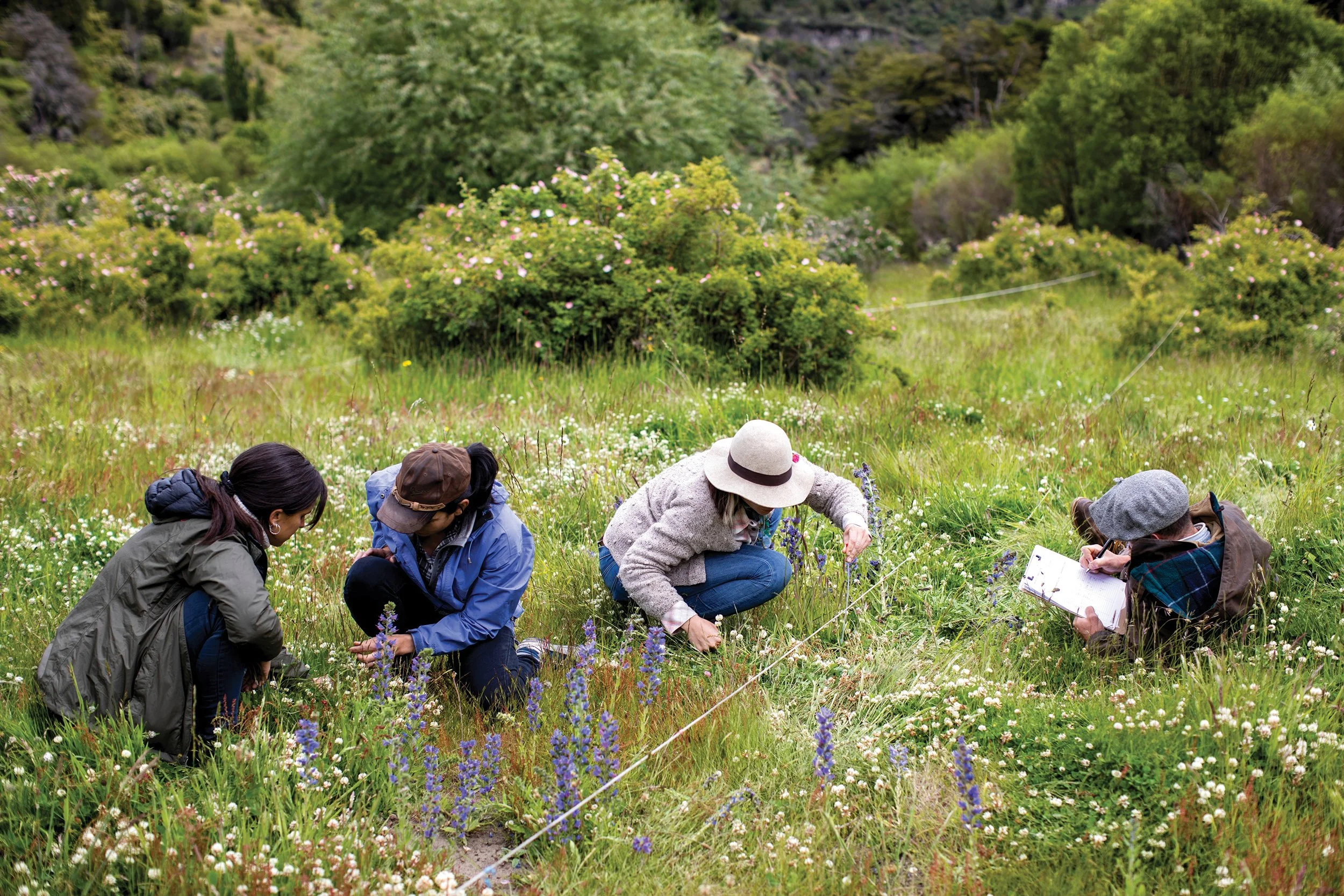
This section turns to regenerative agriculture as inspiration for more than just soil restoration. We look at the philosophy behind it as guiding principles toward systemic change, applied to four levels of regenerative clothing design: soil, ecosystems, ways of being and connection to place.


Soil & Ecosystems
Regeneration starts at the farm and extends throughout the supply chain. In this section, we consider how design decisions can restore soil health and entire ecosystems. By investing in regeneration now, living systems—as well as the brands that rely on them—will benefit in the long term.

Ways of Being & Connection to Place
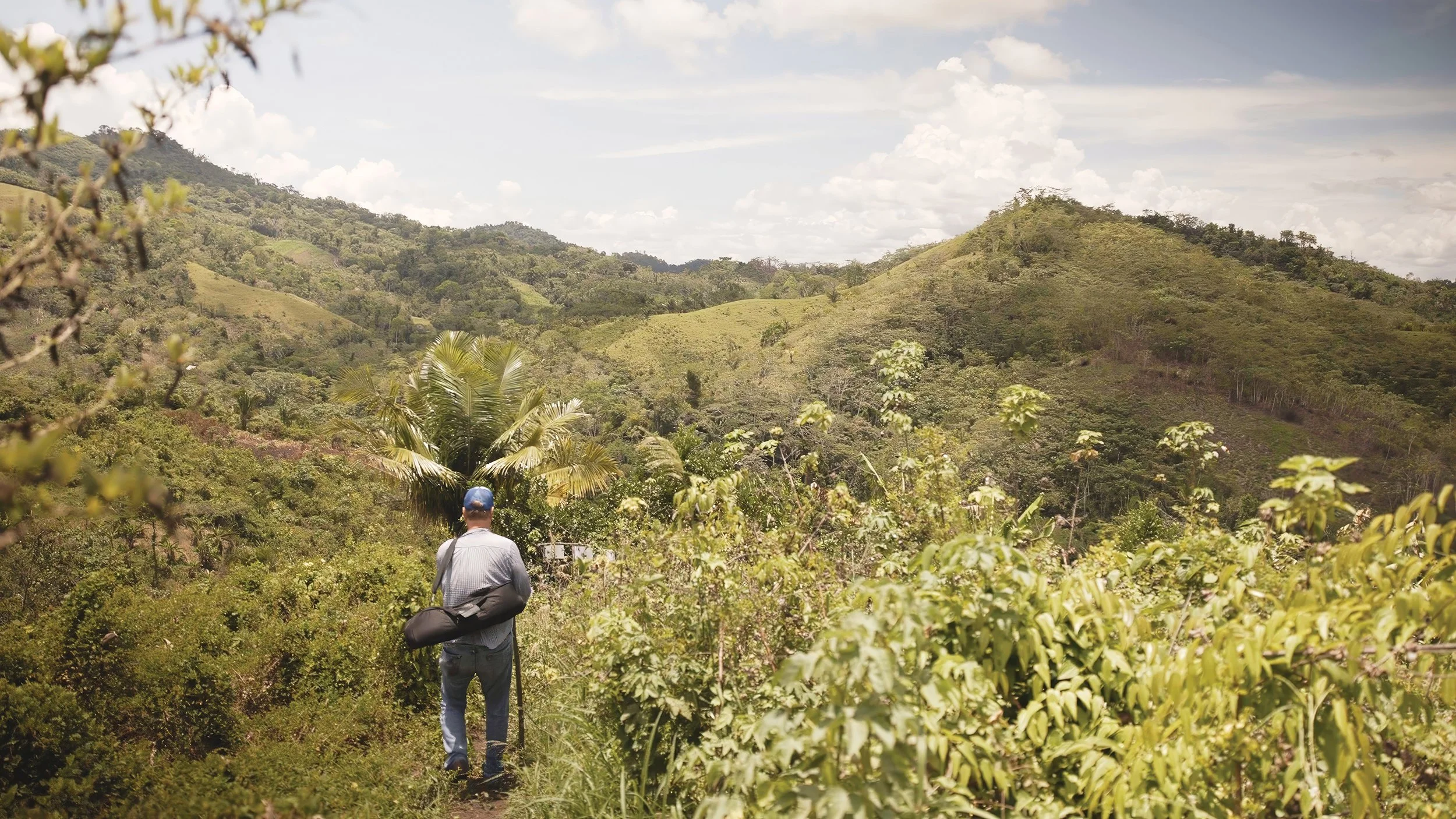
This section explores how design decisions can regenerate our relationships with the communities and land behind our clothes. Through the power of storytelling, we can recenter regenerative Indigenous practices and confront colonial systems that erase, marginalize or commodify them.


The Transition Period: Challenges & Opportunities
Despite the vital ecological benefits and business case for regenerative agriculture, it remains far from widespread. This section highlights challenges and opportunities to bridge the transition gap—and how clothing brands can lead by example to move regenerative agriculture and design forward.

Key Action Points
To close, we distill the report's findings into a layered roadmap of actionable design strategies—from soil health to human flourishing—to be adapted to your own context rather than applied as a one-size-fits-all model.
Download the Report
Key Takeaways
Whether you’re the CEO of a clothing brand or a fashion design student, this report invites all stakeholders to consider garments not only as a product but as a process—and to imagine how we might reshape that process in service of life.
-
Regenerative agriculture and design require a whole-systems reorientation. This means unlearning harmful industrial practices and relearning indigenous land stewardship—finding local solutions that are in conversation with, rather than trying to control, the land and communities.
-
Not just by sourcing regeneratively grown fibers, but by investing upstream, building long-term partnerships with growers and helping create the market conditions and designs necessary for these practices to scale.
-
The implications of climate change make the risk associated with business as usual an economic incentive itself, and early movers can both ensure resiliency and reap long-term benefits.
-
It involves close partnership with local artisans and farmers, which supports meaningful livelihoods and upholds skills and traditions that are at risk of being lost in the homogeneity of mass production.
-
Those that acknowledge and address overproduction through long-term commitments to regenerative practices can support the cultural shift needed to address overconsumption.
-
Industry-wide change requires brands embracing pre-competitive collaboration with one another as well as with other stakeholders—including investors, philanthropists, policymakers and supply chain partners.