How Can We Design a Regenerative Future?
A Call to Action for the Fashion Industry
In spring 2026, we hosted an online summit titled “The Future of Clothing: Regenerative by Design”—not because we had the answers, but because we had big questions and a vision for inviting others along the learning journey. Whether you’re a designer, brand, student or consumer, here are the highlights and ways you can support industry-wide change.

In his book, Regeneration: Ending the Climate Crisis in One Generation, Paul Hawken opens with his definition of the term: “Regeneration,” he writes, “means putting life at the center of every action and every decision.” This served as the inspiration behind Eileen’s outlook on regenerative clothing design— a hopeful, holistic vision for garment creation that doesn’t just minimize harm but actually has a positive impact on people and the planet.
What started as internal research interviews evolved into our online summit exploring this vision. The overarching takeaway? Fashion’s current system driven by overproduction and overconsumption is failing people and the planet. Rather than forging ahead on paths of extraction, we should be diverging toward paths of regeneration, which calls for systems transformation.
“Regeneration means putting life at the center of every action and every decision.”
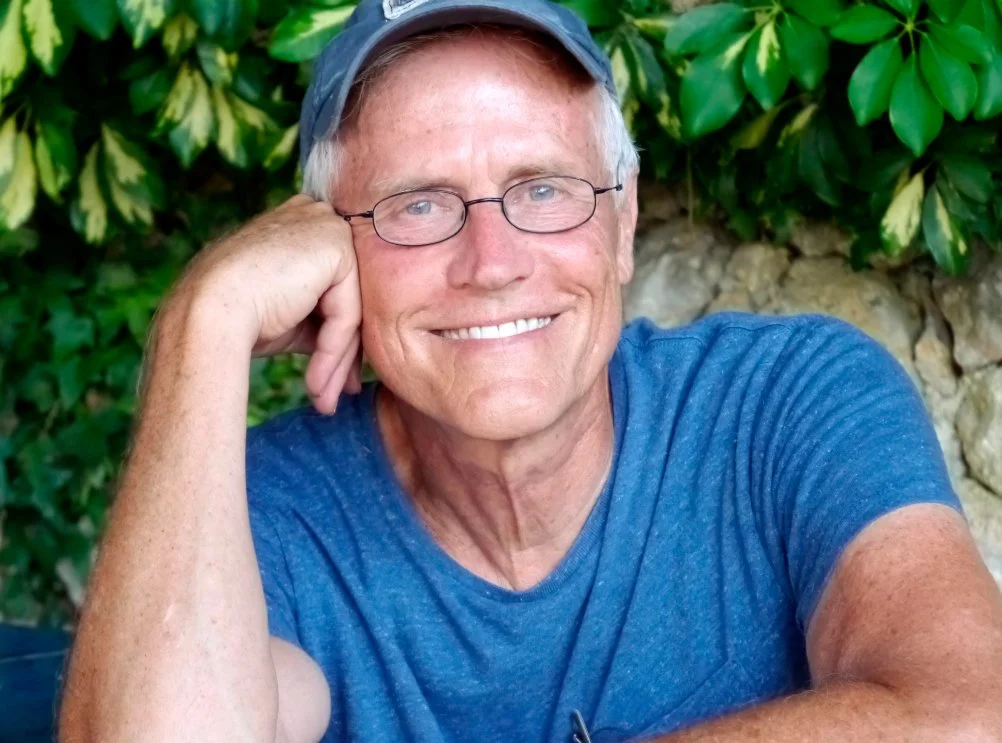
Paul Hawken
Regeneration: Ending the Climate Crisis in One Generation
The Highlights
5 days. 25 speakers. 1300 participants.
Hosted by Antoinette Klatzky, Vice President of the Foundation, and Amy Hall, Sustainability Strategic Advisor, the summit conversations centered around five interconnected themes covering topics ranging from soil to social systems. Speakers—including leaders from brands and organizations like Patagonia and Textile Exchange—shared their unique vantage points on what a regenerative future of clothing could look like as well as existing solutions in action.
Regenerative Design
What does regenerative design mean? Brand leaders, founders, designers and educators discussed their take on regenerative design as an emerging movement rather than the latest industry buzzword. While designers play a pivotal role in bringing this concept to life, garment creation doesn’t simply start or stop at the design table—it needs to involve collaboration with other stakeholders like the CEO and sourcing team to collectively produce clothes that give back more than they take.

What the Speakers Had to Say
-
![]()
“The vision that we are seeing is to take this concept of bringing life back into the land and bring it into our companies, our supply chains and the whole fashion system.”
Eileen Fisher
Founder, EILEEN FISHER, INC. & Eileen Fisher Foundation -
![]()
“Throughout the years we've been hearing so many terms—sustainability, circularity and now it's regenerative design. Regenerative design is the umbrella for all the other initiatives that leave the world a better place, which sounds utopic, but we have to shoot for the moon to get to the clouds, right?”
Carmen Gama
Director of Circular Design, EILEEN FISHER, INC. -
![]()
“We need to learn to produce and consume within our planetary boundaries, within regenerative systems that don't just take, they give back to people and planet. It's not just environmental, it's not just human, it's also animal, it's sea life, et cetera, in a holistic way.”
Dr. Sass Brown
Writer, Educator & Researcher -
![]()
“When I think about regeneration, I always think about this model of something that can live, return and live again. Are we doing things to the Earth that will allow it to continue to be the same Earth for our children's children? And if not, what actions are we taking to help with that?”
Tameka Peoples
Founder, Seed2Shirt -
![]()
“Materiality, embroidery, craft—it’s so essential to what humans need—but fashion is not just an industry. There is a huge realm beside it, and this is what we need to enlarge. That's really a cultural and social thing. And with that we learn how collaboration could work on a different level.”
Friederike von Wedel-Parlow
Director, Beneficial Design Institute -
![]()
“I think so much of people's idea of a fashion design is that we draw a picture and then have it created, when the design process doesn't stop until you do the last stitch. Creativity lies so much in how we're making things and not just what we're making.”
Korina Emmerich
Artist & Designer


Soil & Agriculture
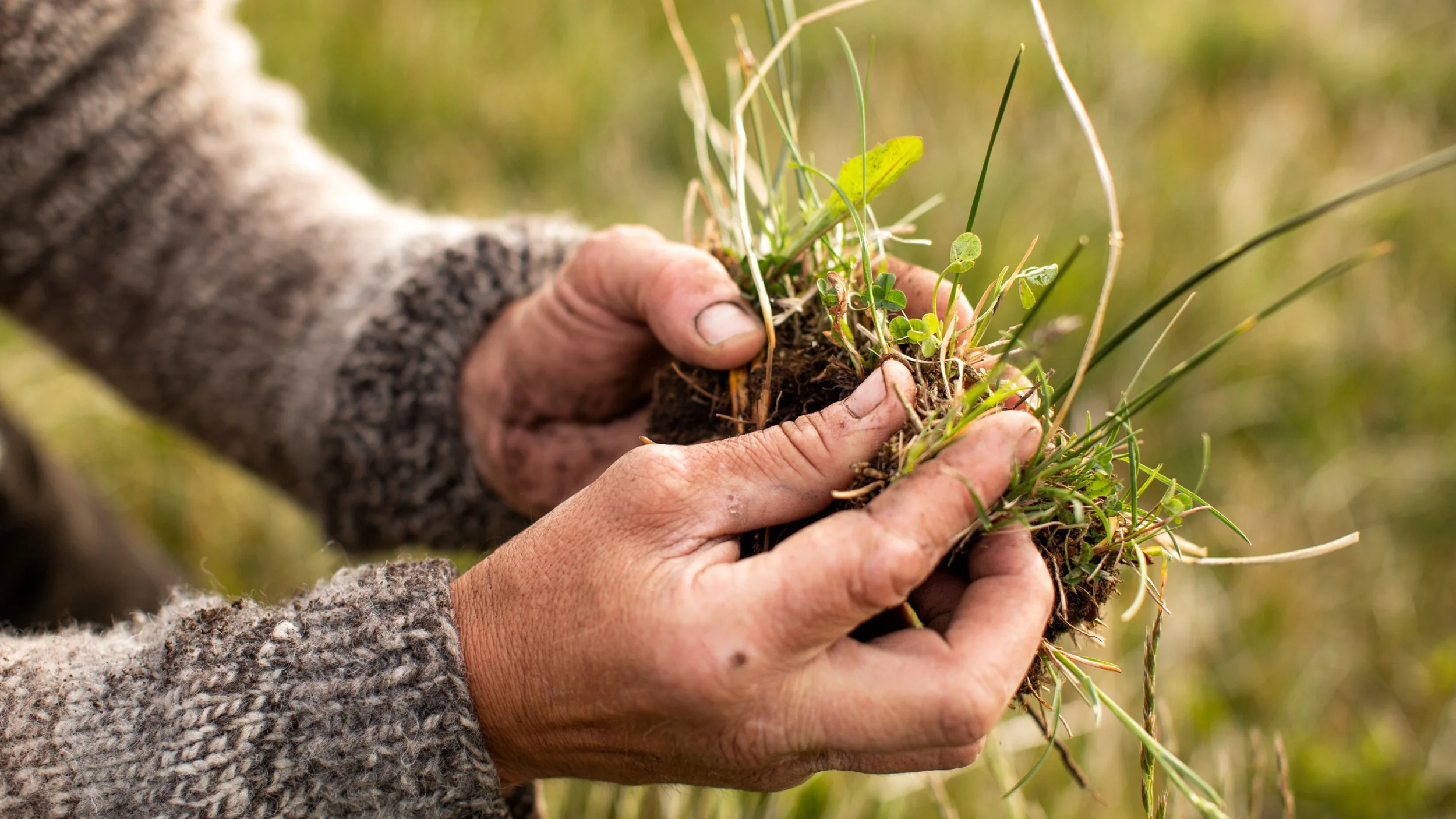
What does regenerative agriculture look like in practice? Brand leaders, farmers and NGO leaders shared on-the-ground examples of regenerative farming and opportunities for not only investing in healthy soil but also the well-being of farmers and climate solutions at large. Their stories show how we can take a holistic approach to nurturing the land in a way that’s in partnership with—rather than trying to control—the cycles of nature.
What the Speakers Had to Say
-
![]()
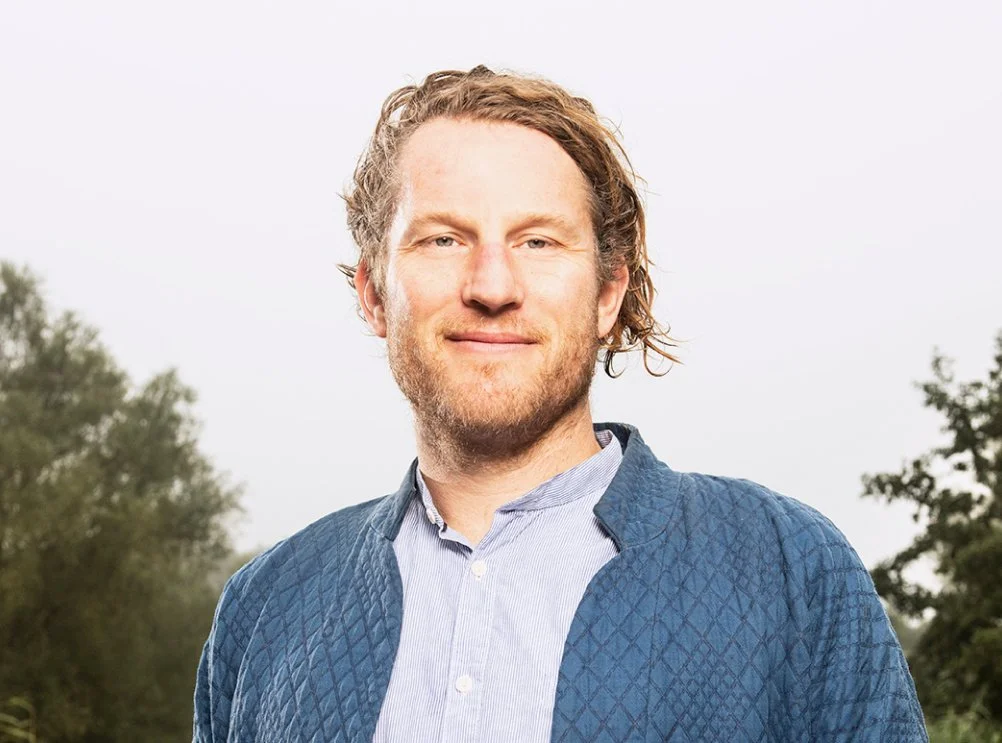
“The big challenge we are facing is that farmers want to be regenerative, but they don't have the ability to transform that money gap, the knowledge gap and an emotional gap. How can we help people celebrate what they did in the past and acknowledge what they are doing now is not right for the future? That's where I think the biggest work for regeneration is.”
Dieter van den Broeck
Design Strategist & Facilitator, Commonland -
![]()
“There’s really no such thing as a sustainable product—or regenerative product for that matter—unless it accounts for all the impacts to nature from cradle to grave. Nature doesn't need us. We need nature. And I think that's the mentality we need to adopt.”
Jim Fitzpatrick
Director, Regenerative Fund for Nature -
![]()
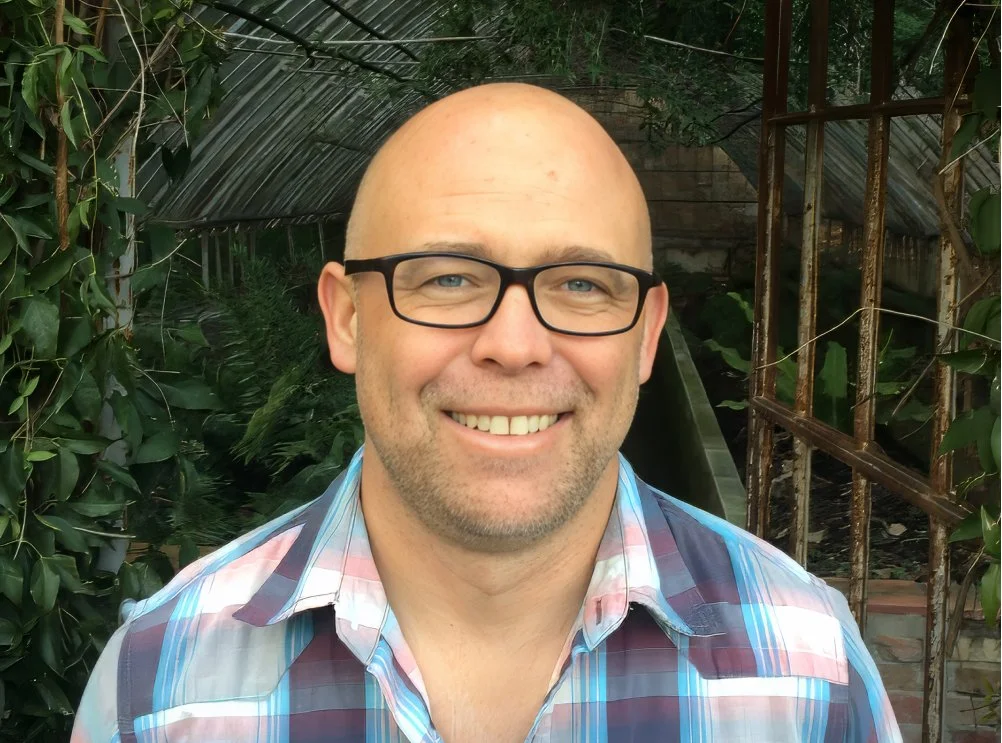
“There's the misconception that holistic management and regeneration is really complex. It’s the opposite. We do these practices because it was done in the past and it works—it’s coming back to the origins.”
Felipe Urioste
Director, Land to Market -
![]()
“The difference between organic and regenerative and conventionally, chemically intensive agriculture is literally life and death.”
La Rhea Pepper
Co-Founder and former CEO of Textile Exchange -
![]()
“We saw that in some cases, farms that had been practicing regenerative organic practices quite literally weathered the storm of the brutal last couple of years with regards to climate change, while their neighbors were losing their harvest or spending a lot of money in agrochemicals.”
Ryan Zinn
Director of Regenerative Programs, Dr. Bronner’s

Supply Chains & Ecosystems
What does a regenerative supply chain look like? Changemakers from brands, NGOs and the media shared opportunities to design models of production that don’t mean destruction. While there's no set formula, one thing is clear: the more voices brought to the table, from competitor brands to the people making the garments, the greater possibilities there are for finding solutions and maximizing positive impact.
What the Speakers Had to Say
-
![]()
“Fashion is either an agricultural product or a petrochemical product. We worked to address this in our product sourcing with some material science—doing that across a three-pillar approach of environmental, human and animal welfare with a deep commitment to traceability, transparency and treating clothing as an asset.”
Vanessa Barboni Hallik
Founder, Another Tomorrow -
![]()
“When I asked entrepreneurs, ‘How do you define sustainability?’ they would say, ‘We don't use that word because what are we sustaining?’ and they would instead use words like transparency, equity, restoration, and then, regeneration.”
Esha Chhabra
Journalist & Author of Working to Restore -
![]()
“When I think of honoring the humans behind garments, I think of safe workplaces and fair wages. Long partnerships that are focused on creating economic stability, where we're supporting artisan craft, indigenous knowledge, local textile communities—all of that.”
Dana Davis
Founder, Dana Davis Consulting -
![]()
“Designing for abundance doesn’t mean lots of products—it means living in a world that is abundant, that uses resources not only effectively and efficiently, but also creates more livelihood, cleaner water, more renewable electricity.”
Lewis Perkins
President, Apparel Impact Institute -
![]()
“Fashion's biggest challenges are typically not solved by design alone. They require a deep understanding of the supply chains, the manufacturing constraints, the financial constraints and consumer behavior. I think the most effective changemakers are the ones that really have a deep understanding of what the constraints are so that you are identifying where your intervention or idea might be the most effective.”
Katrin Ley
Managing Director, Fashion for Good -
![]()
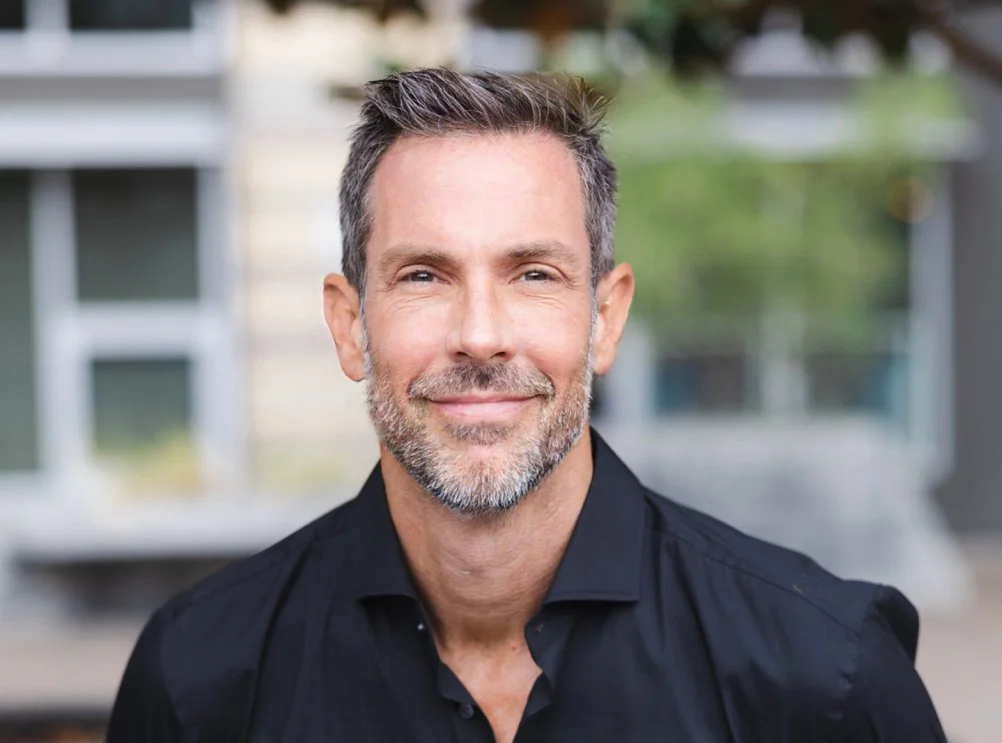
“Men have run fashion supply chains with women doing most of the work, whether that's women in supply chains working in factories, or women in the head offices of most of our large fashion businesses. Feminization of labor has been used to keep wages low, to keep control over women. So, we really need to look at how we can support women in leadership roles and human rights.”
Safia Minney, MBE
Chief Executive, Fashion Declares & indilisi





Ways of Being
How can we reimagine ways of being that shape regenerative outcomes in the apparel industry? A designer, a journalist, a farmer and an entrepreneur explored how first transforming our individual relationships with clothes and the natural world can cultivate positive change at the industry level. This can include fostering regenerative spaces for living and working that challenge how and why we make and wear clothes.

What the Speakers Had to Say
-
![]()
“The problem with disposable fashion is that our clothes are really a big part of how we communicate who we are to the people around us. This idea of newness is like taking on and off your own identity. And it's very unsettling, as a human being, to be constantly shedding your skin and trying to put on a new one.”
Lucianne Tonti
Sustainable Fashion Journalist & Author of Sundressed -
![]()
“Indigenous is being used as a label, but it isn’t [one]. It’s a way of being, learning and living that is fundamental. Because we are creatures of the planet, we are both indigenous and colonizers. It’s not about either or, but it’s about choosing the [mindset] that is useful for certain outcomes. We chose colonizer because we became obsessed with this idea that we can have it all. The indigenous is our full expression of who we are as human beings.”
Reginaldo Haslett-Marroquin
Founder, Regenerative Agriculture Alliance -
![]()
“I think of regeneration as a process of healing and transformation—whether it's from agricultural practices that are healing and restoring the earth or working and personal practices that enliven us rather than deplete us. I also like to think of it through the lens of inspiring our living and creative practices to really align with what the earth and the world need now.”
Carrie Childs
Design Director, Patagonia -
![]()
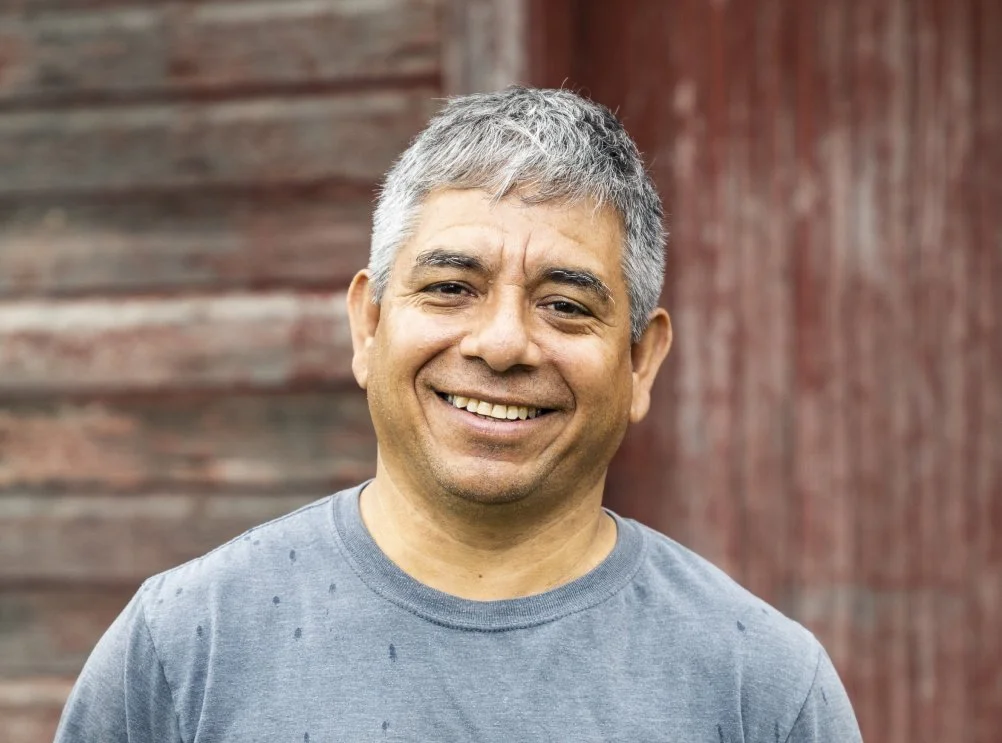
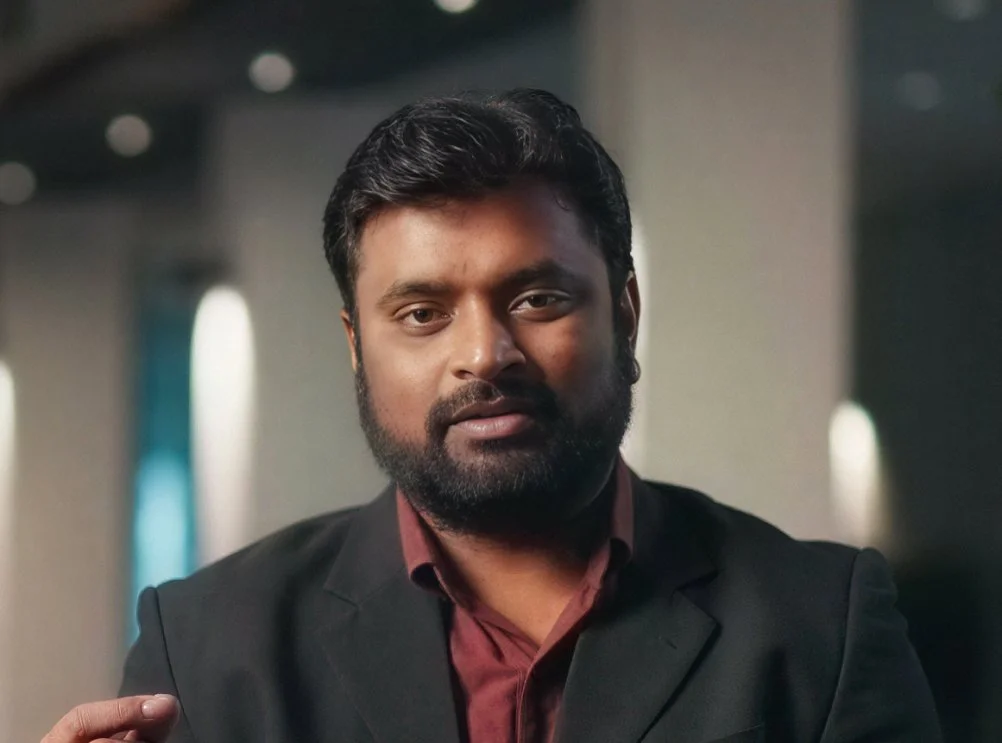
“When I look at a typical tribal village, those rich understandings about how human life is woven beautifully with nature—that ancient wisdom to me is the hope because they have seen both systems. They have seen a beautiful natural regenerative region without using the word regenerative.”
Aneel Kumar Ambavaram
Founder, Raddis® Cotton

Connection to Place
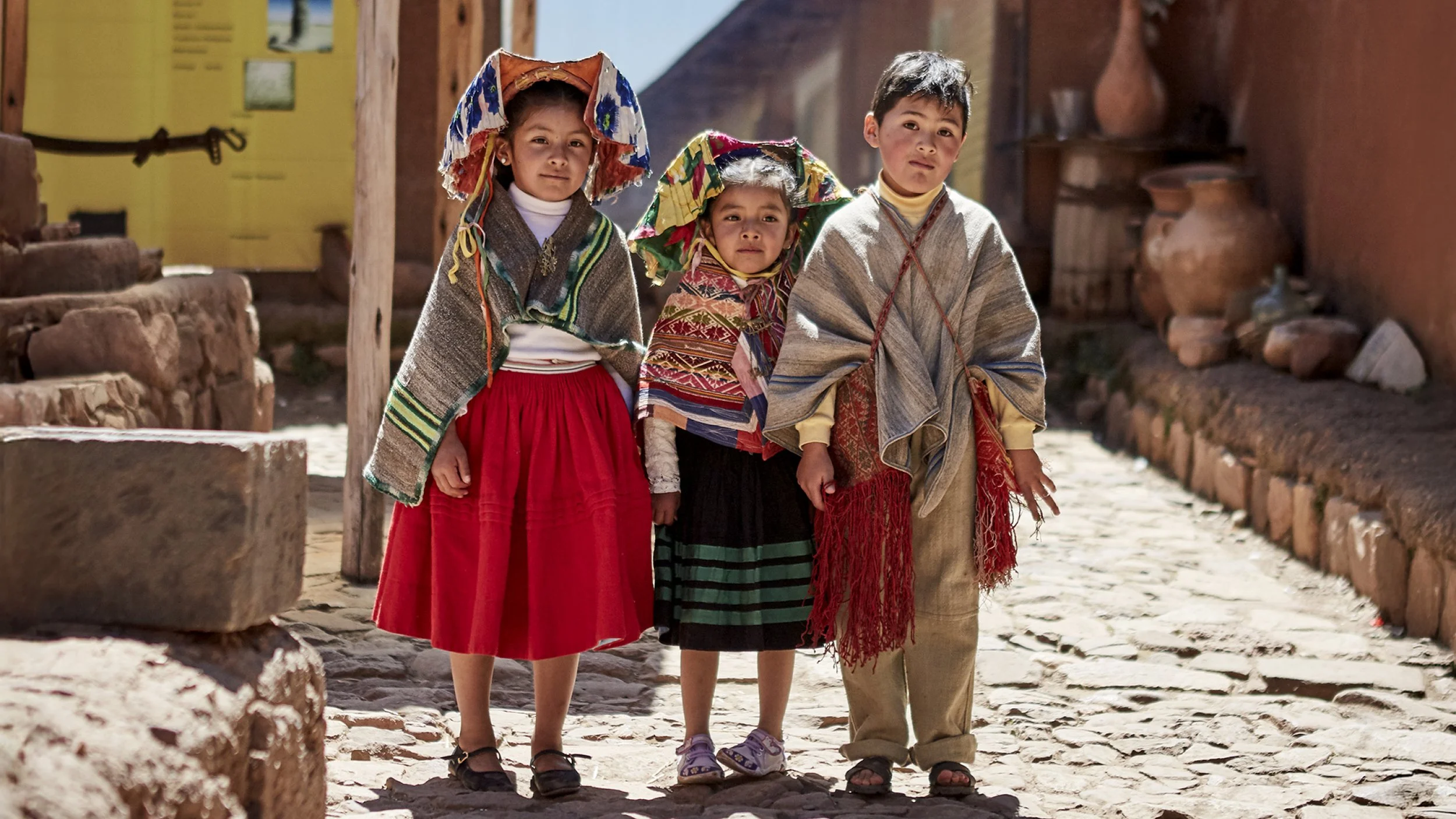
How can we design ways to reaffirm the relationship between people, planet and garments? Conversations with a designer, a storyteller and an NGO founder brought the summit full circle as they discussed the connections between the process and the garment. By framing clothing as a reflection of the land, our communities and ourselves, we no longer accept garments as disposable and instead value them for their personal significance, like family heirlooms.
What the Speakers Had to Say
-
![]()
“Our weaving practices are rooted in respect for materials, for land, knowledge, people, relationships. Regeneration isn't a trend, it's a responsibility. It means that we are not taking without giving back. It means we're not creating without understanding the impact of what we have manufactured, of what we are putting out in the world.”
Lily Hope
Artist & Designer -
![]()
“Fashion at its best was intimately tied to the land. It's not lost, but it's up to our generation and this critical period that we're in to focus on revival. There's no one-size-fits-all solution, but there is a shared intergenerational approach—going one mile deep rather than one mile wide—that we could share no matter what stage we're working on within fashion, whether it's seed or end of life.”
Aditi Mayer
Global Storyteller & Speaker -
![]()
“We moved [garment making] back to the city center and have our design and production studio in the storefront windows so that people in our community can see what's being made right here. When there’s this connection to seeing somebody making a T-shirt and understanding that this doesn't just miraculously make itself, you immediately have a higher value for that item.”
Natalie Chanin
Founder, Alabama Chanin



The Takeaways
Twenty-five conversations with diverse stakeholders brought forth a variety of insights as well as several unified action points. Whether you’re a designer, a brand, a student or consumer, we all have a stake in the future of clothing—and we can each play a pivotal role in creating one that’s regenerative by design.
Clothing Designers
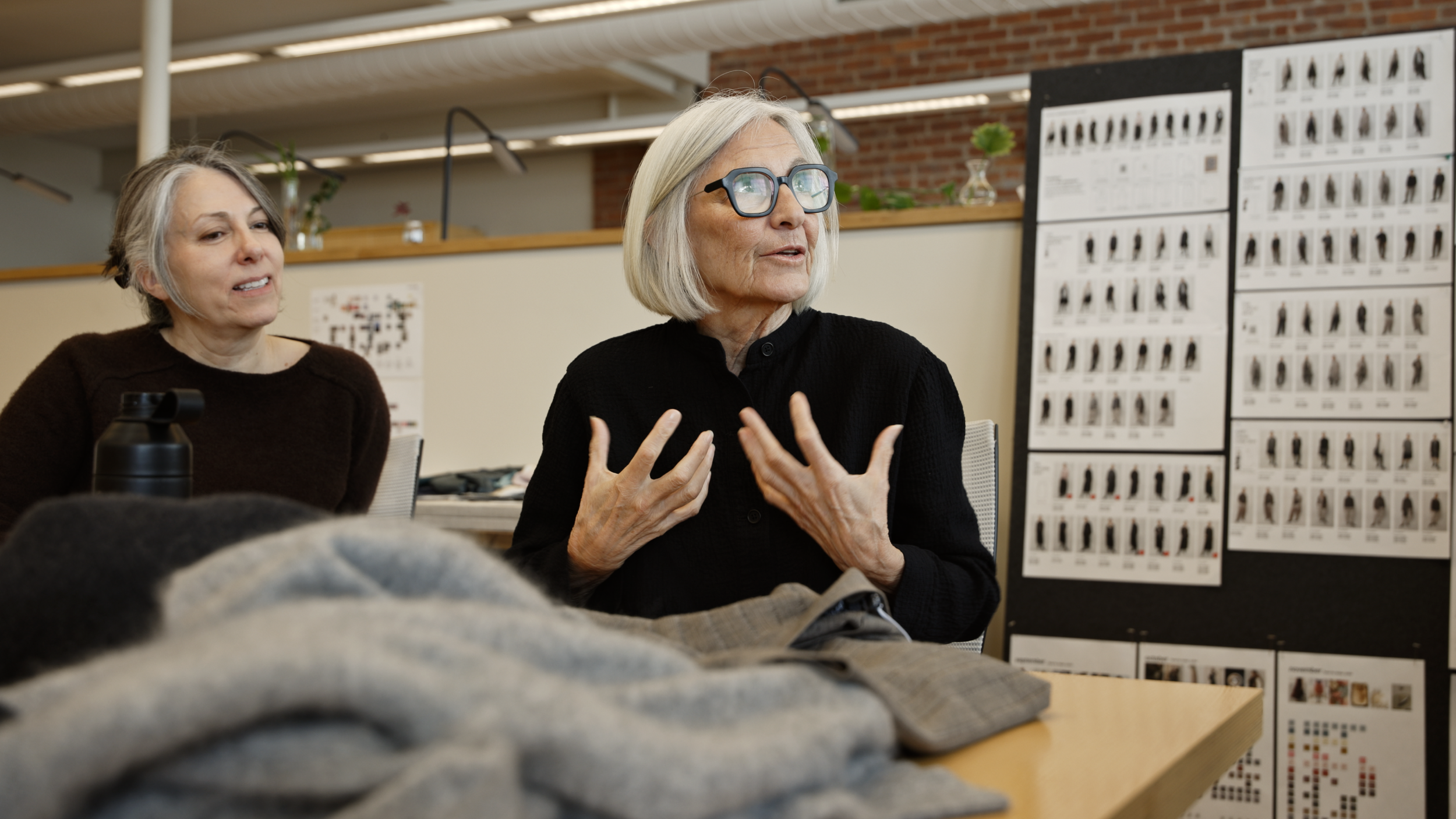
Approach design with a holistic perspective. For Eileen, this means thinking outside of trends and seasons that fashion designers are often taught to prioritize. Instead, she calls for “thinking more like furniture designers or architects” who do a better job at solving problems and designing pieces and buildings that “stand the test of time.” In her conversation, she outlined three key considerations to shape a more holistic design philosophy.
Make design choices with people and planet in mind.
To start, writer, educator and researcher Dr. Sass Brown recommends defining your values and incorporating them into a personal or brand manifesto. This gives you something to return to when creating a collection. Here are some questions to consider, courtesy of Carrie Childs, Design Director at Patagonia: “How as designers can we inspire ourselves and our customers and our community at large to live as lightly and beautifully and respectfully on this Earth as possible? And how can we address consumerism through building quality, beautiful products and inspiring people to simplify their lives and want less?”
Adopt a learning mindset.
“After forty years, I'm still learning things all the time,” Eileen reflects. Dr. Brown encourages designers to push themselves out of their comfort zone: “It can be challenging in many ways, whether it's traveling, meeting new people and making those connections. But, through that, we then can change how we do things based on that growth of our knowledge.”

“It's not just about the design table, it's about the system, the space from garment creation all the way to end of use.”
CarmenGama Director of Circular Design at EILEEN FISHER
Consider the whole system.
A holistic designer, according to Carmen Gama, Director of Circular Design at EILEEN FISHER, seeks knowledge in all aspects of the garment. “It's not just about the design table, it's about the system, the space from garment creation all the way to end of use. [Designers] don’t have to do all of it by themselves. But if they have that knowledge, they're able to pull in the right people and partners to inform if that garment is going to go back to the system to create new garments or just sit in the landfill or the ocean.”
For artist and designer Korina Emmerich, considering the whole system involves actively working with materials as “collaborators”—or as “relatives rather than resources,” says Lily Hope, one of few remaining designers of traditional Chilkat dancing blankets. “This shift changes everything from design decisions to economic systems,” she explains. “If fashion is going to transform, it starts on the land at the water’s edge.”
Lily also raises a key point that regenerative design is about people just as much as it is about the environment: “True regenerative design has to include cultural regeneration. How are we taking care of each other in our intermixing of culture?”
Students

For the next generation of designers and fashion professionals, confronting the industry’s pervasive social and environmental harm can be overwhelming. Here are some ways students can discover how they can make a positive impact as they prepare for their career:
Advocate for small yet meaningful change.
If you find yourself interning or working for a company that doesn’t prioritize sustainability or a company that does but you feel discouraged that it’s not enough to change the industry, the ideas you bring as an individual can add to a larger impact. “You can find your way within a broken system,” Eileen says. “Your energy and care and passion—it matters that you can make a difference. Just do your best and accept that it's going to be imperfect and keep going. Collaborate, partner with others, join organizations and just hold the positive vision that the whole industry can be regenerative—that we can be a force for good in the world.”
Challenge the system by asking questions.
Friederike von Wedel-Parlow, director of the Beneficial Design Institute and professor for Sustainable Design Strategies at Academy of Fashion and Design Berlin, encourages her students to go beyond the surface aesthetics of garment design and ask deeper questions: “How is this made? What is in it? Who made it? We don't always have the answers, but I think we always must have good questions.”

“You can find your way within a broken system…Collaborate, partner with others, join organizations and just hold the positive vision that the whole industry can be regenerative—that we can be a force for good in the world.”
Eileen Fisher Founder EILEEN FISHER, INC. and Eileen Fisher Foundation
Learn from the past to inform the future.
Aditi Mayer, global storyteller and speaker on the Gen Z-millennial cusp, resonates with the burden younger generations feel when they’re told they’re the future: “We've inherited such big issues, where do we go from here? But when we frame these issues through this lens of learning from the past to inform the future, it becomes a dialogue rather than a burden.”
Brands

One company alone cannot actualize a regenerative future, but if brands collectively support each other on the journey? That’s when tangible industry-wide transformation happens. The summit speakers both critiqued and commended brands for the key role they play in systems of extraction and regeneration. Their action items boil down to five key points.
Redefine what growth and success mean.
Collaborate with intention.
Create on-the-ground supply chain visibility.
Support policies that level the regenerative playing field.
Prioritize authentic progress over perfection.
“We're going to have to really dig deep and redefine our current business models, breaking out of the price paradigm into that value-based paradigm. That is one of the last obstacles that we have yet to really break,” La Rhea Pepper, co-founder and former CEO of Textile Exchange, emphasizes.
Breaking out of this price paradigm means addressing overproduction—the “root problem” and “elephant in the room”—rather than putting the onus on consumers, whom we’ve “put far too much responsibility and guilt on,” Dr. Sass Brown notes. Overproduction persists because “we still define success by infinite growth on a finite planet,” she explains.
The summit speakers encourage company leaders, as they set year-to-year goals, to reevaluate what growth looks like for a regenerative business model. “We need to reign back our obsession with growth at any cost, and we need to take a much more radical approach,” says Safia Minney, Chief Executive of Fashion Declares. “Many academics are calling this degrowth or post growth, and that will help us to redesign and pull our excessive consumption and production within planetary boundaries.”
Dana Davis, brand consultant and former VP of Sustainability at Mara Hoffman, emphasizes that brands need to reconsider systems for inventory: “Retail math is so flawed. We are burying ourselves in inventory. If the industry could unlock whatever the answers are—whether it's nearshoring, on-demand production—so that we’re not producing so much excess, let’s invest in that.” Friederike also highlights the importance of alternative fashion practices which prioritize regional production and shift priorities from “making money to making value.”
“We're going to have to really dig deep and redefine our current business models, breaking out of the price paradigm into that value-based paradigm.”
La Rhea Pepper Co-founder and former CEO of Textile Exchange

However, putting values first doesn’t mean abandoning necessary business concerns that keep a brand running. Jim Fitzpatrick, Director of the Regenerative Fund for Nature, addresses this: “We are living in a game with certain rules, and we either have to live by those rules or change the rules. And it's not monetizing nature for the sake of exploitation. It's monetizing in a way that creates more value for [regenerating] nature and the benefits that come with increasing biodiversity, water quality, producer livelihoods and soil health.”
A recurring call to action was for pre-competitive collaboration between brands as well as their internal supply chain partners and external NGOs.
“It doesn't make sense for another company to start a parallel process where they're doing the same investment in terms of overhead and certification and all these things. And so I think there's a lot of opportunity in teaming up,” Ryan Zinn, Director of Regenerative Programs at Dr. Bronner’s, says with optimism. It’s not only practical but also rejuvenating because driving systemic change is a “marathon, not a sprint” that requires “friendly allies” as Katrin Ley, Managing Director of Fashion for Good, puts it.
Dana Davis reflects on the power of collaboration from her time at Mara Hoffman: “Collaboration on the brand side was talking to people from EILEEN FISHER or Reformation, for example, and sharing what was working for us from the business perspective and what wasn't. Who were some of the service providers or innovators that we were talking to? Where was there an opportunity for supply chain overlap? But another part that was just equally as important was how we collaborated with our supply chain partners to really understand what their personal needs were, what initiatives they were trying to push forward and what challenges they were having.”
Collaboration is a common buzzword in the industry, but when done intentionally, it’s more than just logos on a website—it’s about bringing together the “right partners at the right point in time with the right orchestration,” says Katrin. “At Fashion for Good, we're not working with hundreds of manufacturers. We are working with a group of, in total, like 25 brands, manufacturers—not only big ones, but also smaller ones, the pioneers.”
Systemic change begins locally. That’s why regeneration resists a one-size-fits all solution, “because you have all of these nuances, whether it's environmental context or social or geopolitical context,” Jim Fitzpatrick says from experience. “Really at the root of this you need to put the producers front and center. You need to get their buy-in and you need to understand that local context.” That’s why he, as well as many other speakers, call for brands to establish visibility beyond just sending a third party on routine supply chain visits—it’s getting the eyes of CEOs, CFOs, designers and sourcing teams directly on the farms and factories so they can make locally informed decisions and long-term partnerships.
[pull imagery from peru visit that shows people on the farm etc?]
“I think it is very similar to if you were to show a designer post-consumer waste or finished-product waste piling up in Ghana or in Chile, for example,” Jim explains. “In the same way, if you took a designer or a brand on a farm to show them the impacts of cotton farming or cattle ranching that maybe isn't done in the right way, I think it would really open their eyes.” Jim states that, once visibility is established and brands better understand where their materials are coming from, the next step is then investing in those communities. “We need to get brands to invest in specific supply chain regions, develop offtake commitments and long-term contracts with these producers the same way they do with finished goods manufacturers.”
“Really at the root of this you need to put the producers front and center. You need to get their buy-in and you need to understand that local context.”
Jim Fitzpatrick Director, Regenerative Fund for Nature
The key is active listening. “Sit in community with those who are in most direct relationship to the land and the fiber,” suggests Tameka Peoples, Founder of Seed2Shirt, “because when you do, they are the ones who can clearly communicate what their needs are.” Ryan Zinn notes that the deep relationships he works to form with farmers at Dr. Bronner’s “allow us to not only maximize our impact, but have a better understanding of what's happening on the ground.”
When it comes to supplier relationships, asking questions is also key. Eileen reflects on how in the early days of the company, “I would go to these suppliers even before I knew anything about sustainability—we weren't talking about that 40 some years ago—and say, ‘I love this fabric, but can you make it without the polyester?’ It was these partnerships with suppliers, being curious, asking questions: ‘Can you work with us? How can we do this better?’” Dana Davis shares a similar story from her time at Mara Hoffman. After asking a supplier for lower impact materials, she recalls, “They started showing us something. And I remember laughing and questioning them, saying, ‘Why'd you never show us this before?’ And they said, ‘Why did you never ask for it before?’”
Establishing visibility is important internally for a company as well as externally to establish more transparency with stakeholders like customers, so they better understand the impact of their purchases. “The curiosity is deepest when it's truly about connection,” Vanessa Barboni Hallik, founder of Another Tomorrow, reflects. “People understand farm to table, and they understand that connection back to the source. I think when you're able to create those bridges and use language like ‘farm to closet,’ it sparks curiosity.”
There are three main stakeholders, Dr. Sass Brown says, that can affect systemic change: consumers, brands, and policymakers. Each of these has a domino effect on each other as overproduction by brands perpetuates overconsumption by consumers—and policy can either enable this cycle or externalize social and environmental costs so that regenerative practices shift from the exception to the norm. The more time and resources brands invest in supporting legislation that protects people and the planet, the more viable the internal regenerative changes they make will be for the long run.
“Legislation is a key enabler to level the playing field,” Katrin Ley explains. “If you think of why polyester is so cheap, it’s because any kind of externalities like carbon emissions aren't priced in, so that's why it's incredibly challenging to compete on the price level. If there’s no legislative environment that tries to level the playing field, you might always have some front runners driving change, but there's a long tail of brands that might not want to join the party. They're sitting on the sidelines. And legislation allows everybody to be in the same competition.”
“Our goals have to be aspirational, maybe even seemingly impossible…We say if we can't prove through our product line that hard things can be done, then we're not doing our job.”
Carrie Childs Design Director, Patagonia
The road to regeneration is not a straight path. But committing to the journey is more important than having a clear view of the destination. It starts with first having a vision, then surrounding yourself with the right people to actualize it. “You hold a vision even when you know it isn't all that you want it to be or you never get there—you're still headed somewhere,” Eileen says, looking back on the evolution of EILEEN FISHER. “I think about when we did Vision 2020 years ago, and the first thought was, ‘We want to be a hundred percent sustainable company.’ It was an audacious goal, but I think we really moved the needle much faster because we had a big vision.”
Carrie Childs echoes Eileen’s sentiment as she reflects on Patagonia’s annual report that transparently shares not only their goals but also the challenges and shortcomings they encounter along the way: “Reading the [Patagonia 2025 Work in Progress Report], there's plenty that's hard. But our goals have to be aspirational, maybe even seemingly impossible. We should be excited about it so that it warrants hard work. And then is it outcome oriented so that when we get there, we will have done something that matters? We say if we can't prove through our product line that hard things can be done, then we're not doing our job.”
This is the kind of “authentic honesty” Dr. Sass Brown encourages brands to embrace, rather than shying away from sharing inevitable setbacks with consumers and other stakeholders. “I get a bit peeved when I hear a manufacturer or a brand saying how fantastic they are without referencing what they're not doing, because none of us are perfect. We're all on a journey.”