Ref No.
Jurisdiction
European Union
Key Policymaker(s)
Alessandra Moretti (Socialists & Democrats, Italy)
Pernille Weiss (European People’s Party, Denmark)
The Regulation was published in the Official Journal of the EU in June 2024 and entered into force in July 2024. It creates obligations related to durability, recyclability, energy efficiency and environmental impact disclosure—and applies to almost all physical goods placed on the EU market or put into service including textiles and apparel, whether produced inside or outside the EU. On April 15, 2025, the Commission adopted the 2025-2030 working plan for this regulation. Textiles, especially apparel, were among the prioritized products for ecodesign and energy labeling requirements which will be adopted in 2027.
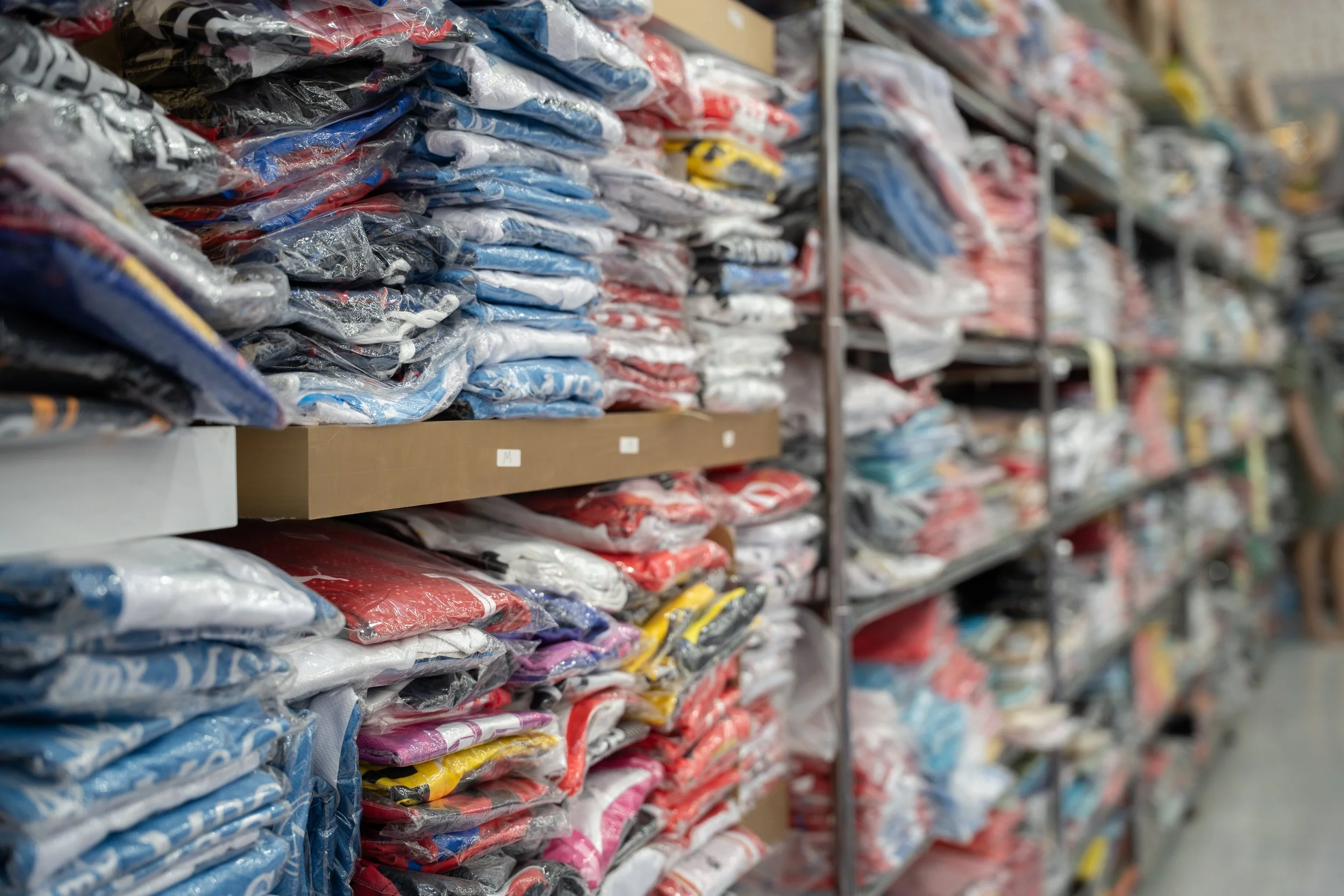
On February 9, 2026, the European Commission adopted the Delegated and Implementing Regulations under this regulation to prevent the destruction of unsold apparel, clothing, accessories and footwear, unless due to safety reasons or product damage. The Implementing Act introduces a standardized format for businesses to disclose the volumes of unsold consumer goods they discard, which applies starting February 2027. The rules on disclosure already apply to large companies and will also apply to medium-sized companies in 2030.
Key Aspects
Requires manufacturers, importers, and distributors (or their legal representatives) to check compliance, assess conformity and prepare technical documentation, ensure product identification, provide clear contact details for customer inquiries and ensure that instructions are available, downloadable and accessible.
They must provide a means of contacting them for any customer complaints or concerns.
Non-compliant products must be withdrawn or recalled and market surveillance authorities informed.
Requires development of a Digital Product Passport (DPP) to ensure easy access to the product’s information for customers and other stakeholders. Certain products may only be placed on the EU market if a DPP is available. The DPP registry is operational as of July 19, 2026.
Bans the destruction of unsold apparel, clothing accessories and shoes starting July 19, 2026, applying to large companies. Medium-sized companies are expected to follow in 2030.
Requires Member States create rules for penalties, at least including fines and/or time-limited exclusion from public procurement procedures.
Latest Update
Starting July 29, 2026, the ban on the destruction of unsold apparel, clothing accessories and shoes applies to large companies.
Source(s)
