
Regenerative Agriculture & Its Principles
What Does Regenerative Agriculture Mean?
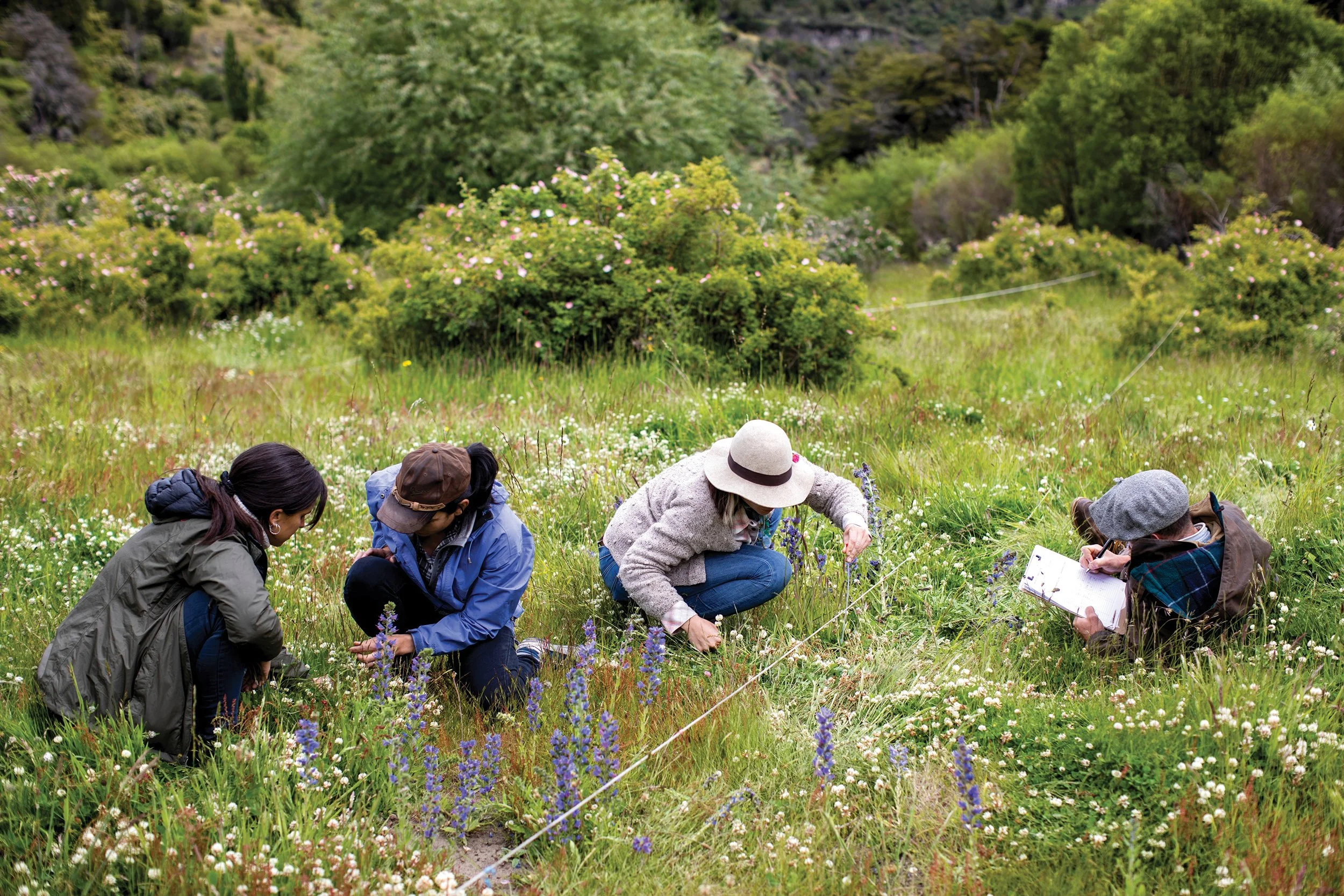
The term “regenerative agriculture” was coined by Robert Rodale in the 1980s—however, Indigenous communities have been practicing this way of farming for millennia. Over the last few decades, the term has grown in use and popularity. Conversations around regenerative agriculture usually begin with the idea of regenerating soil health, which in turn sequesters carbon and combats climate change. However, regenerative agriculture is not limited to a rigid set of farming tools or methods. Fundamentally, it’s a way of seeing the world and a way of practicing agriculture that is always in conversation with the local land and ecosystem conditions.
“Deeply regenerative agriculture can exist only if it is completely interwoven into a thriving regenerative culture. This includes the songs, stories, myths, rituals, foods, ceremonies and music that transform agriculture from a functional economic activity to a spiritually rich and emotionally fulfilling central heart of an agricultural community.”
Ethan Roland Soloviev and Gregory Landua, “Levels of Regenerative Agriculture”¹²
Preserving and benefiting nature does not mean that human beings have to entirely remove themselves from the equation. For example, Native Americans used controlled burns to provide significant botanical benefits to the forests of North America, including eliminating destructive weeds and diseases. As Thomas Bonnicksen notes in America’s Ancient Forests, “Native Americans were an integral part of America's forests. The forests and the people who lived there formed an inseparable whole that developed together over millennia.”¹³ When we understand ourselves as part of nature, and treat it accordingly, the quality of our intervention will be one that is beneficial to all. This is one of the lessons of regenerative agriculture—through our interventions and actions, humans can be a positive force in nature.
Measuring Regenerative Outcomes
There is not a universal standard by which regenerative agriculture is measured or classified. There are, however, several leading certification frameworks that focus on measurable outcomes as well as ecosystem health, including:
“A lot of folks are defining regeneration as a set of practices so that they can claim to be regenerative, but changing a practice doesn't necessarily lead to regeneration… This is why outcome-based verification has become essential.”¹³
Bobby Gill, Director of Development & Communications, the Savory Institute
Ecological Outcomes Verification (EOV), is a global monitoring framework that tracks regenerative outcomes on over 6 million acres globally, focusing on indicators like bare soil, root structure, and soil microbial activity to provide rapid ecological feedback.¹⁵ EOV recognizes that regeneration is an ongoing practice grounded in relationship and feedback, prioritizing outcomes over a specific checklist of practices. By fostering innovation in response to each particular ecosystem, this approach allows for the regenerative principle of listening and responding to each living system.
“Living systems are random and adaptive—we don’t control them, we influence them. That’s why EOV provides rapid feedback to see if land is moving in a regenerative direction.”¹⁴
Bobby Gill
Indicators & Related Ecosystem Processes
As part of short-term monitoring, an EOV monitor annually visits and assesses qualitative aboveground indicators listed in Figure 2.1.¹⁵
The sum of the scores for each indicator gives the Ecological Health Index (EHI) for a given landbase, and serves as the main indicator of regenerating land.¹⁵ Every five years, soil samples are sent to the lab for quantitative measurements such as soil carbon and water-holding capacity.¹⁵
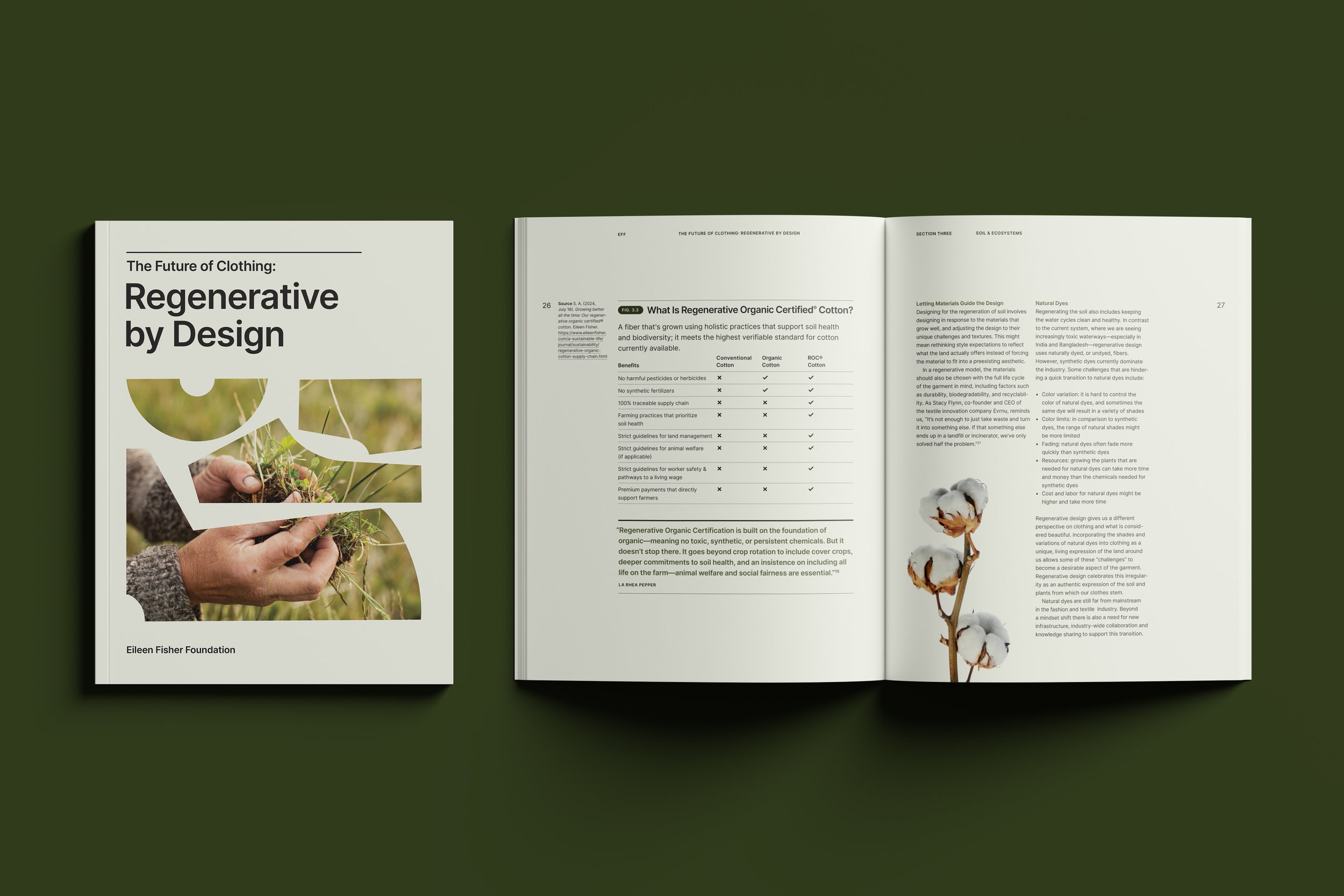
The certification process can also give credibility and reduce greenwashing. As La Rhea Pepper, board vice chair of Regenerative Organic Certified (ROC) and co-founder and former CEO of Textile Exchange, notes, “Working with a reputable third-party certified program is a good insurance policy. If you're a brand, you're not going to want to put a claim on a product that you cannot back up.”¹⁶
Ecological Outcome Verification: Measuring Regenerative Outcomes for Food and Fiber
| Indicator | Water Cycle | Mineral Cycle | Energy Flow | Community Dynamics |
|---|---|---|---|---|
| Live canopy abundance | ||||
| Microfauna | ||||
| Warm season grasses | ||||
| Cool season grasses | ||||
| Forbs & legumes | ||||
| Trees & shrubs | ||||
| Contextually desirable rare species | ||||
| Contextually undesirable species | ||||
| Litter abundance | ||||
| Litter incorporation | ||||
| Dung decomposition | ||||
| Bare soil | ||||
| Soil capping | ||||
| Wind erosion | ||||
| Water erosion |
Source Savory Institute. (n.d.). EOV: Measuring regenerative outcomes for food and fiber. https://savory.global/eov/
“Unfortunately, I think the term ‘regenerative’ is being overused without clear meaning. That’s what happened to ‘sustainability’—it became a word without teeth. Until we have clear definitions—backed by policy or credible standards—the industry will keep using the term without accountability.”¹⁶
La Rhea Pepper, Co-Founder and Former CEO of Textile Exchange
The Business Case for Regenerative Agriculture
Shifting toward regenerative agriculture practices requires the investment of capital and a whole-systems restructuring as well as multi-stakeholder collaboration. The complexity and change involved in this shift often deters brands from making the leap. However, the reality of our degraded land and ecosystems and the implications of climate change make the risk associated with business as usual an economic incentive itself. By committing to the shift now—and embracing precompetitive collaboration to do so—brands can not only ensure resiliency but also reap long-term benefits.
The Return on Investment
By looking at cotton producers in the US that implement soil health management systems (SHMS), the Soil Health Institute has shown that these farmers saved $74/acre growing cotton using SHMS.¹⁷ Notably, these farmers (based in Texas, Georgia, North Carolina, South Carolina, and Mississippi) had a $172.87 gain in net income per acre from using SHMS.¹⁷ One study notes that, “Compared with control farmers, . . . the regenerative program increased yield by 4.1 percent, reduced input costs by 9.8 percent, [and] reduced water use by 14 percent.”¹⁸
An article by McKinsey & Company highlights how regenerative agriculture practices in the United States—specifically cover cropping and no-till farming—can provide economic benefits (see Figure 2.2).
A study focusing on regenerative grazing in Australia showed that farmers using these methods not only made profits comparable to the best in their field but also saved money by spending less on things like animal feed and health, while maintaining higher levels of farmer well-being as well.¹⁹ This means regenerative practices, including those related to cotton and wool production, can help the environment while improving both profits and mental well-being of farmers.
True Cost
The True Cost Calculator (TCC), launched in 2024, was designed specifically as a free online tool for fashion professionals to self-assess the environmental and social impact of garments throughout their life cycles.²⁰ True Cost economic models factor in hidden costs such as water pollution, labor exploitation, carbon emissions, and textile waste. When calculated in this way, garments that simultaneously contribute to restoring ecosystems will cost less than those that harm the environment. Such a shift would require supporting legislation, which does not yet exist. Nonetheless, prototypes and movements are already making headway in this direction by developing calculation methods and standards for true cost assessments.
The True Price Foundation also developed a standard that is updated annually in order to reflect the most up-to-date scientific insights, with which one can calculate the “true price” of a given product.
These initiatives are laying the groundwork for a regenerative future, where making restorative choices is also economically beneficial. Though these tools are not yet integrated into the mainstream, they embody a value shift within the fashion industry and lay the groundwork for economic models to come.

Economic Benefits of Regenerative Agriculture
| Economic Challenge of Conventional Agriculture | Economic Benefit of Regenerative Agriculture | |
|---|---|---|
| High costs of chemical fertilizers and pesticides | Reduce reliance on chemicals and lower input costs | |
| Vulnerability to extreme weather, such as droughts | Enhance soil’s water retention capacity, improving crop resilience and efficiency | |
| Loss of soil nutrients and land degradation | Replenish soil nutrients and generate higher and more stable long-term yields |
Source Stockdale, O., Prabhala, P., Brennan, T., & Chen, R. (2024, December 4). Revitalizing fields and balance sheets through regenerative farming. McKinsey & Company. https://www.mckinsey.com/industries/agriculture/our-insights/revitalizing-fields-and-balance-sheets-through-regenerative-farming
What Is Regenerative Agriculture?
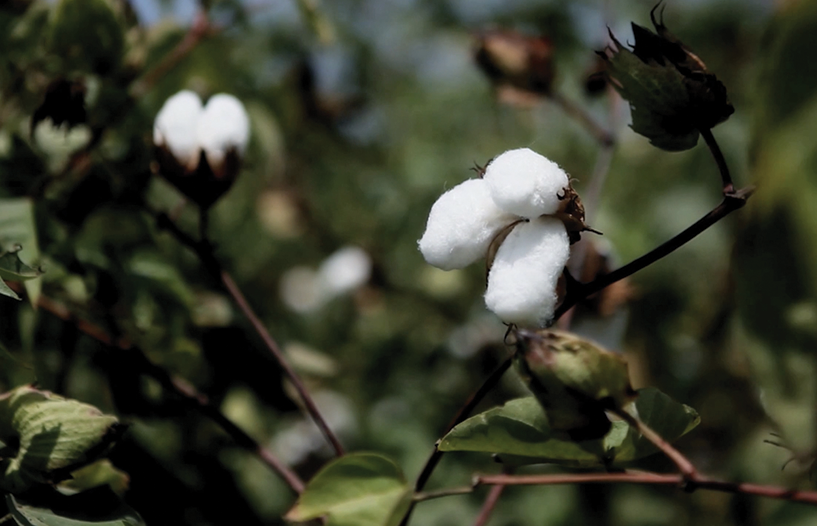
Broadly speaking, regenerative farming uses holistic practices that mimic the natural cycle of an ecosystem. These practices vary by crop and climate, but may include the following:
1 / Crop Rotation
Plants have different nutritional requirements and are susceptible to different pests and diseases. Alternating the crops that are grown in a field each season can reduce the need for fertilizers and pesticides.

2 / Crop Covering
Planting legumes, grasses and brassicas along with cash crops can help protect and enrich the soil. They naturally suppress weeds and increase soil organic matter.
3 / Low-Till Farming
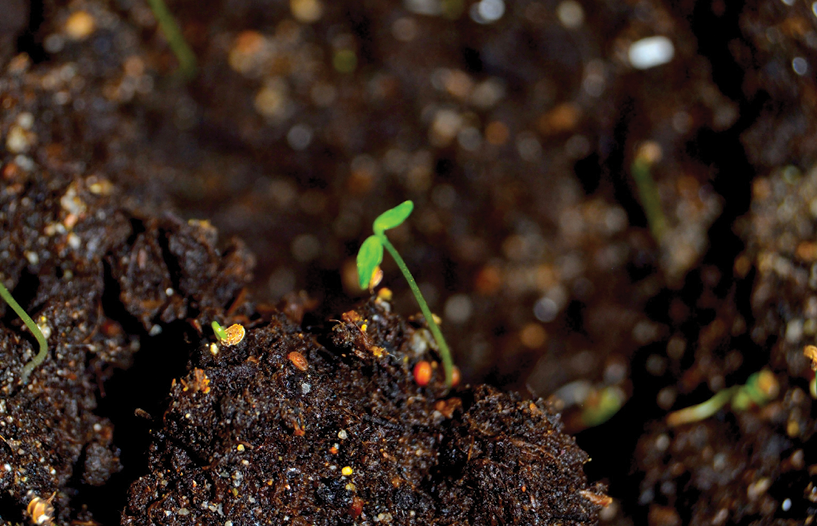
Conventional plowing disrupts the structure of the soil and can lead to erosion and water runoff over time. Low-till farming uses equipment such as seed drills to minimize soil disturbance.
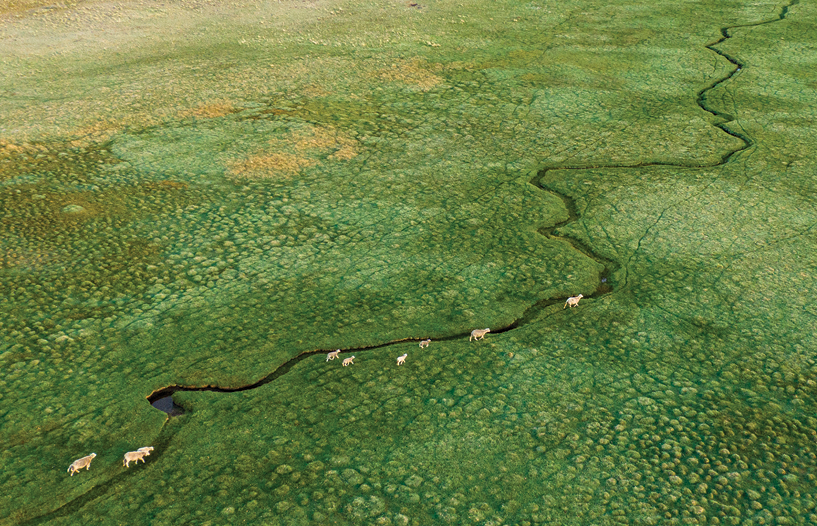
4/ Rotational Grazing
Designed to mimic the migratory patterns of wild herds, this practice involves moving livestock through different pastures in order to allow plants an opportunity to recover and regrow after grazing.

5 / Composting
Organic matter from food waste, animal manure and weeds adds vital nutrients back into the soil and supports beneficial microorganisms.

6 / Integrated Pest
Management
Harmful pesticides disrupt the balance of an ecosystem. An integrated approach may include raising fowl to forage in fields or farmscaping with native plants to attract beneficial insects.
The bottom line Regenerative organic farming supports soil health and biodiversity. Healthier soil has the potential to drawn down carbon from the atmosphere, helping to mitigate the effects of climate change.
Source D., L. (2023, April 10). Year 0: Building a supply chain with regenerative organic certified® cotton. Eileen Fisher. https://www.eileenfisher.com/a-sustainable-life/journal/sustainability/regenerative-organic-cotton-supply-chain.html
From Soil to Social Systems
The Four Levels of Regenerative Agriculture
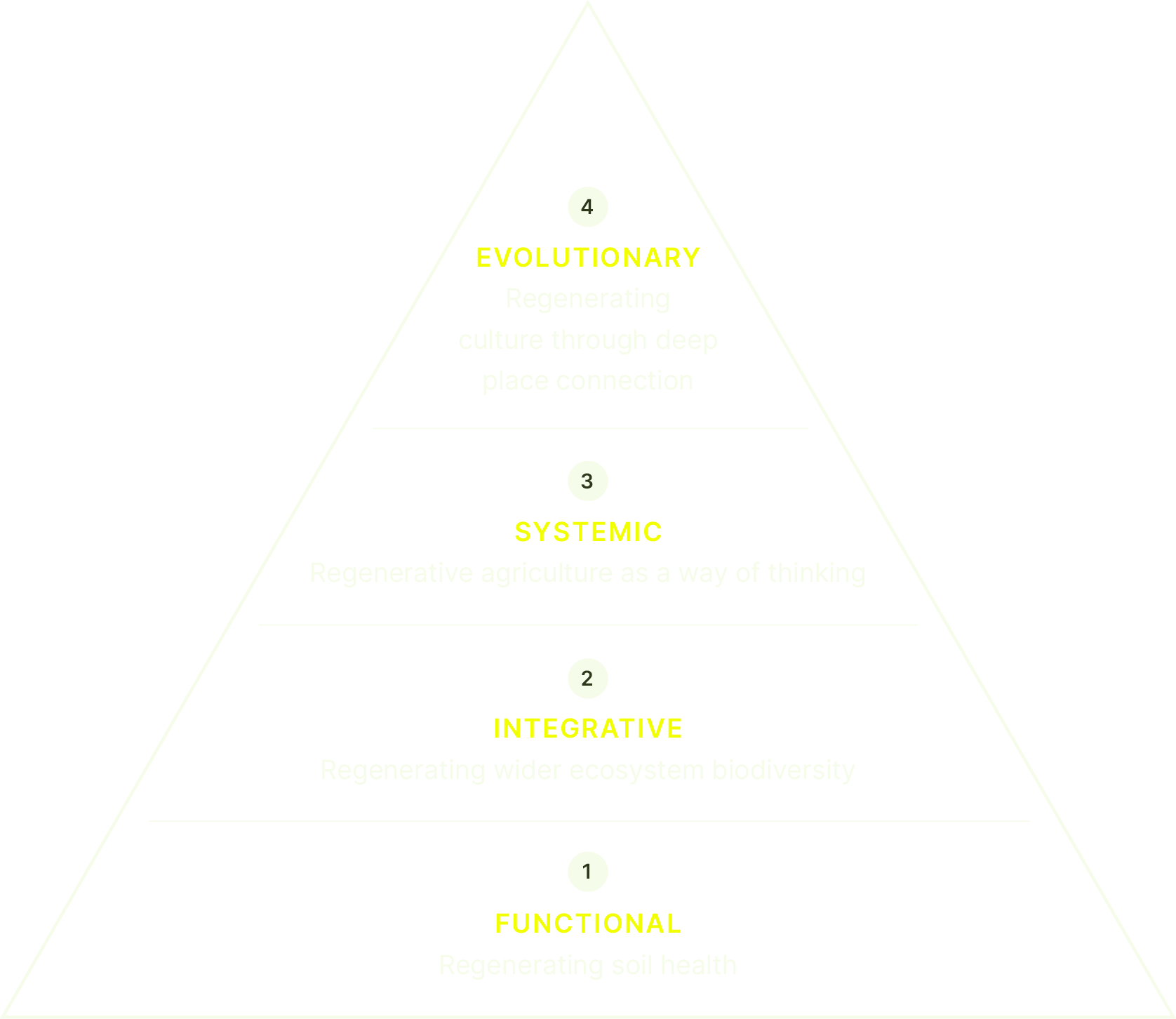
In a paper published in 2018, Ethan Roland Soloviev and Gregory Landua defined four levels of regenerative agriculture: functional, integrative, systemic, and evolutionary.¹²
Level 1: Functional
This level focuses on regenerating soil health through a set of best practices such as, but not limited to:
Rotating crops
Minimal tilling
Use of compost
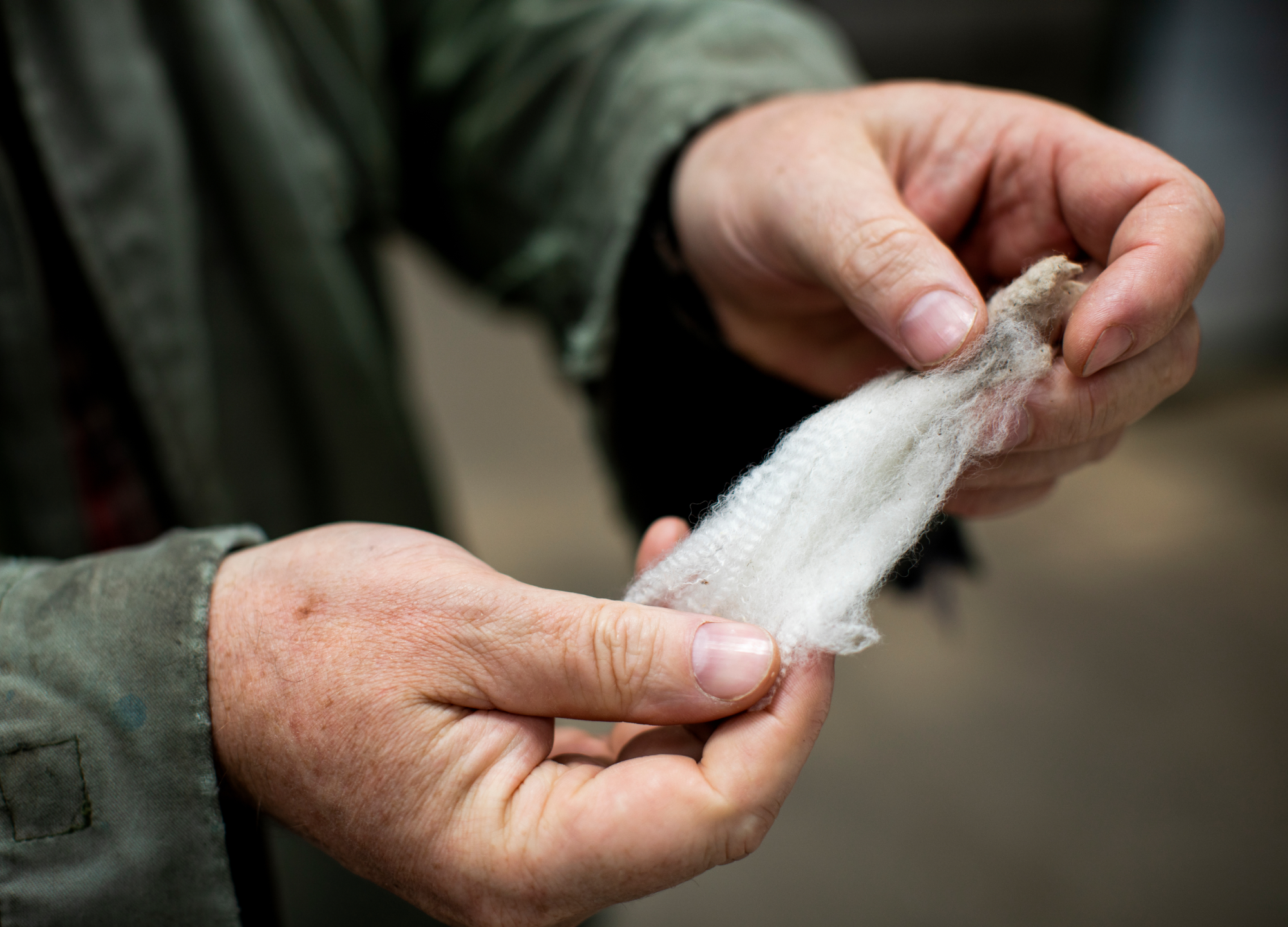
The discourse around “regenerative” often remains on this level. These practices not only help sequester carbon, but also regenerate important aspects of the land like its water cycles and living microbiome.
Level 2: Integrative
This level focuses on regenerating wider ecosystem biodiversity beyond simply soil health and includes viewing the farm as part of a larger, living web. On this level, there is a strong desire to not only avoid causing harm, but to create a positive impact on the environment by:
Developing holistic goals for each farm based on full landscape analysis
Integrating animals for holistic grazing, incorporating tree-based agroforestry systems and/or selecting crop species to fit the farm’s ecology and support carbon sequestration
Applying life cycle inventory and assessment processes to document the net-positive impact of a farm
Level 3: Systemic
This level turns toward regenerative agriculture as a way of thinking and being in the world by:
Moving toward “antifragility” systems that adapt and thrive in disruption
Seeing the farms as an evolving system shaped by local bioregions
Collaborating with other businesses to holistically invest across the eight forms of capital: intellectual, spiritual, social, material, financial, living, cultural, and experiential
Financial capital and material capital (such as machinery and infrastructure) support tangible regenerative farming practices, while social, intellectual and experiential capital nurture dynamic human relationships necessary for knowledge sharing and decision-making.
Level 4: Evolutionary
This level addresses regenerating culture through deep place connection, and it:
Requires multigenerational understanding of the land’s geology, ecology, and human history
Shifts agriculture from isolated farms to interconnected regenerative systems that reflect the unique essence of each place
Demands cultural reconciliation, acknowledging historical injustices and integrating healing practices into regenerative work
Evolves supply chains into regenerative producer webs rooted in mutual value creation, cultural renewal, and community resilience
These four levels of regeneration show how regenerative agriculture isn't only about techniques; it's a whole systems approach that includes how humans relate to each other and the natural world. As A-dae Romero Briones, an Indigenous scholar and farmer, explains, regenerative agriculture has the potential to “restore the balance of relationship between people and land, environment and production, history and future.”²¹
The four levels of regenerative agriculture can be applied to clothing design—a critical stage of a garment’s life cycle. In the following sections, we will identify design decisions that can inform all 4 levels of regeneration by asking:

When we talk about design decisions we often think of designers as the key stakeholder. However, it’s important to note the value of collaboration at this stage between designers and other stakeholders across the supply chain that influence or are impacted by design decisions—from the farmers to the sourcing teams to the CEO.